





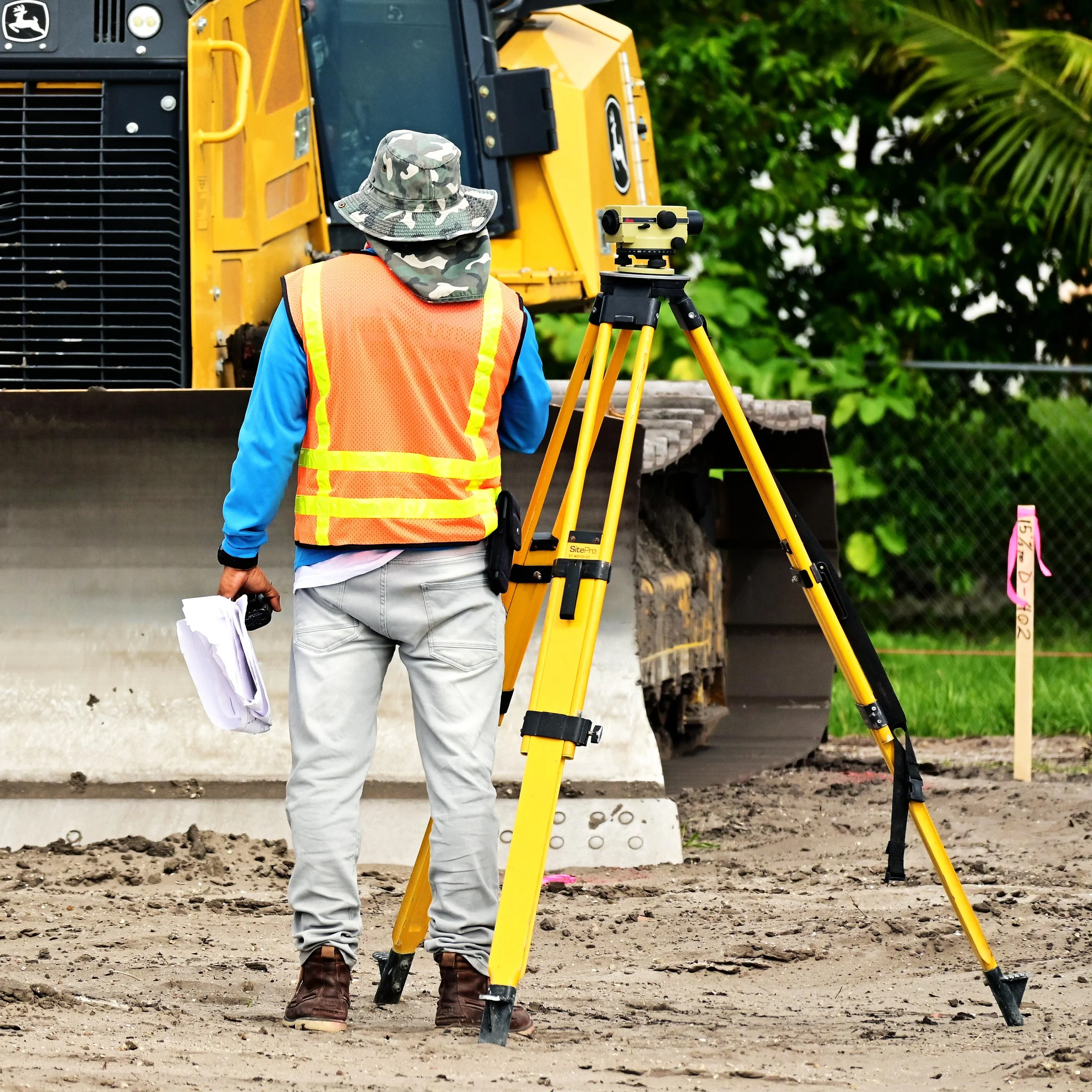
Jobs in surveyor are becoming more popular as construction, oil & gas, and industrial projects grow every year. Many companies need skilled surveyors to manage costs, drawings, and measurements. If you like working with numbers, drawings, and project planning, this career can be a great choice for you.
Jobs in surveyor are not only about measuring land or buildings. Today, surveyors also work with piping, structures, BOQs, AutoCAD drawings, and project costs. These jobs offer good salaries, learning chances, and long-term career growth in engineering and construction fields.
What Are Jobs in Surveyor and Why They Matter Today
Jobs in surveyor are important roles in construction and engineering projects. Surveyors help companies plan costs, measure work, and prepare drawings. Without surveyors, projects can lose money and time. This makes the role very valuable today.
Many modern projects like factories, buildings, and plants need skilled surveyors. These experts check quantities, materials, and site progress. Their work helps projects stay safe and within budget. This is why demand is growing every year.
Technology has also changed surveyor work. Today, surveyors use AutoCAD, digital tools, and software to work faster. Companies want people who can handle both site work and computer tasks. This makes the job more interesting and future-ready.
Types of Jobs in Surveyor You Can Choose
There are many career paths available in jobs in surveyor. Each type focuses on a different part of the project. You can choose based on your skills and interest. This flexibility makes the field attractive.
Quantity surveyors work with costs, BOQs, and budgets. They make sure money is used correctly in projects. Their role is very important from start to finish of a project.
Piping and structural surveyors handle measurements for pipes, steel, and foundations. They also work with drawings and site checks. These roles are common in oil, gas, and industrial projects.
Skills Needed to Get Jobs in Surveyor
To succeed in jobs in surveyor, you need both technical and soft skills. Basic math and measurement knowledge is very important. You also need to understand drawings and site plans.
Learning AutoCAD is a big advantage today. Many companies prefer surveyors who can prepare drawings and read isometrics. Computer skills help you work faster and better.
Good communication is also important. Surveyors talk with engineers, workers, and managers every day. Clear speaking and reporting build trust and professionalism.
Daily Work Life in Jobs in Surveyor
Every day in jobs in surveyor is different and interesting. Some days you work on site, and other days in the office. This balance keeps the job active and engaging.
On site, surveyors measure work and check progress. They record quantities and ensure work matches drawings. This helps avoid mistakes and extra costs.
In the office, surveyors prepare BOQs, reports, and drawings. They review project data and update costs. This planning supports smooth project execution.
How to Prepare for Jobs in Surveyor Step by Step
Preparing for jobs in surveyor takes time and practice. Start by learning the basics of measurement and construction terms. Simple knowledge builds a strong foundation.
Next, focus on learning software like AutoCAD. Online courses and practice projects help a lot. These skills make your resume stronger.
Finally, try to get site experience. Even small internships or trainee roles are useful. Real work helps you learn faster and gain confidence.
Salary and Growth Scope in Jobs in Surveyor
Jobs in surveyor offer good salary growth over time. Freshers usually start with basic pay, but skills increase income fast. Experience plays a big role in earning more.
With more years of work, surveyors can move to senior roles. They may lead teams or manage full projects. This growth makes the career stable.
Many surveyors also work abroad or on large projects. These opportunities offer better pay and exposure. This makes the future bright for skilled professionals.
Common Mistakes to Avoid When Applying for Surveyor Roles
### Resume and Skill Mistakes
-
Writing unclear or copied resumes
-
Missing software skills like AutoCAD
-
Not explaining site experience clearly
### Interview and Career Mistakes
-
Lack of basic technical knowledge
-
Poor communication during interviews
-
Not updating skills with new tools
Avoiding these mistakes improves your chances. A clean resume and honest skills build trust. Employers value clarity and willingness to learn.
Final Thoughts on Building a Career in Surveyor Field
### Smart Career Planning Tips
-
Keep learning new tools
-
Gain both site and office experience
-
Follow industry trends
### Long-Term Success Ideas
-
Build strong work ethics
-
Focus on accuracy and quality
-
Grow step by step
Surveyor careers are stable and rewarding. With patience and learning, success is possible. This field offers growth, respect, and strong future demand.
Conclusion
Choosing a career as a jobs in surveyor can be a smart and safe decision for the future. This field helps build roads, buildings, and big projects that people use every day. The work is important and respected. With simple skills like measuring, drawing, and planning, anyone can grow step by step.
Learning never stops in this career, and that is a good thing. New tools and better methods make the job easier and more fun. If you stay honest, keep learning, and work hard, success will come. A surveyor’s job can give you a strong career and a bright future 🌟