




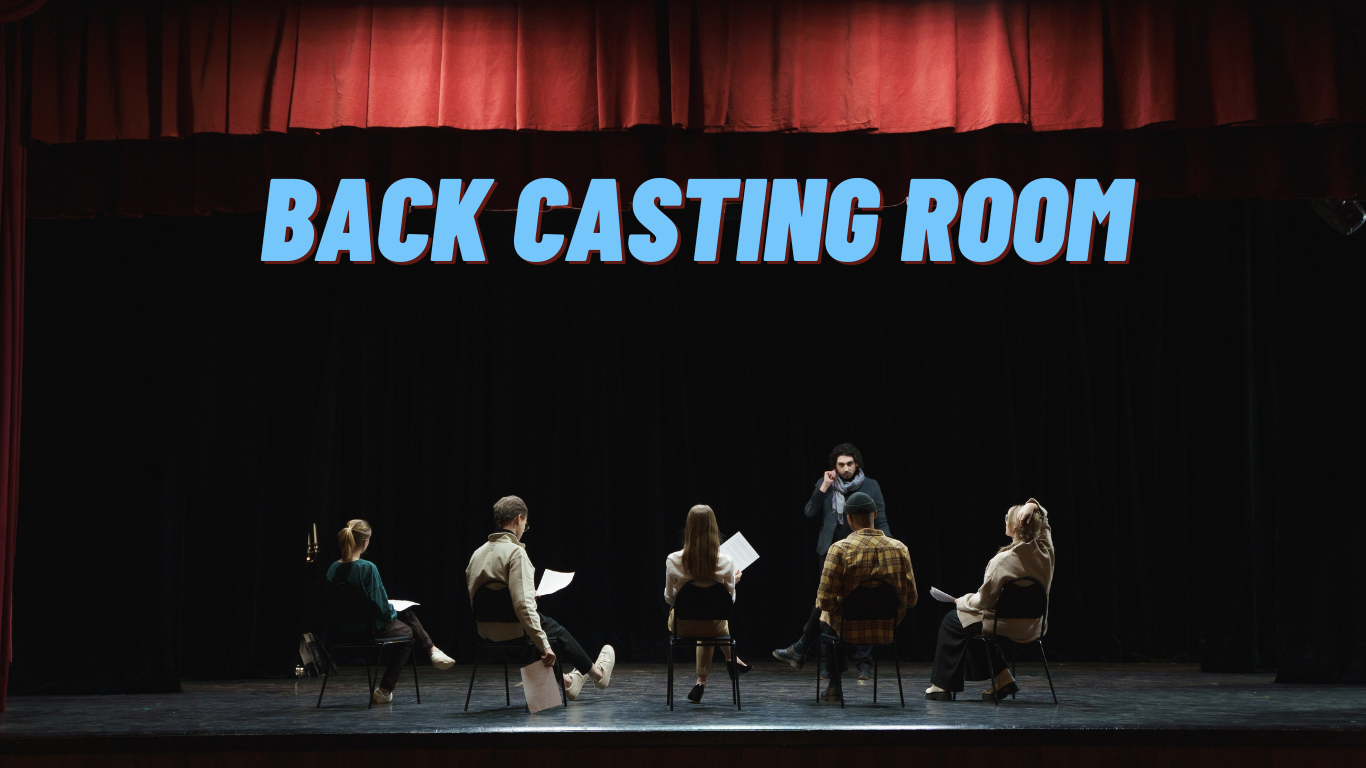
Back casting room is a smart way to plan for the future by starting with your big goal first. Back casting room helps teams think about where they want to be, and then move step by step back to today to see what actions are needed.
In a back casting room, people sit together, share ideas, and imagine a better future. Instead of guessing what might happen, they choose what should happen. This method is very helpful for businesses, schools, cities, and even small teams who want clear direction and strong results.
Back Casting Room: A Smart Way to Plan Your Future Step by Step
Back casting room is a powerful way to plan for big goals in a clear and simple way. It helps people start with their dream future and then move backward to find the right steps. This method is now used in many modern businesses and planning teams. It works well in 2026 because the world is changing fast and people need better planning tools.
Back casting room is different from normal planning because it does not guess the future. Instead, it creates the future you want and builds a path to reach it. Many experts in strategy and sustainability support this method. It helps teams stay focused and make smart choices that match their long-term vision.
Planning today is not easy because markets, technology, and climate problems keep changing. That is why many leaders now use this method to reduce risk. It helps people think clearly and act with purpose.
In this blog, you will learn how this method works, why it is helpful, and how you can use it. The ideas shared here follow good research and real-world practice. Let’s explore step by step.
What Is a Back Casting Room and Why Is It Important?
A back casting room is a special space where people plan their future in a smart way. Instead of asking, “What will happen?” they ask, “What do we want to happen?” This small change makes a big difference.
Teams gather in this space to share ideas and imagine success. They talk about their goals for five, ten, or even twenty years ahead. Then they slowly move backward to today and list the actions needed.
This method is important because it gives clear direction. When people see the end goal first, they feel more confident. It also reduces confusion during long projects.
Many companies, schools, and city planners now use this approach. It helps them deal with climate goals, business growth, and digital change in a smart way.
How a Back Casting Room Improves Long-Term Planning
Planning for the future can feel scary and confusing. A back casting room makes it easier by breaking big goals into small steps. This keeps everyone calm and focused.
First, the team creates a clear picture of success. They describe what the future looks like in simple words. This helps everyone understand the same vision.
Next, they ask what must happen before reaching that future. They write down key actions and milestones. This creates a clear road map.
Finally, the team connects those steps to today’s tasks. This makes daily work more meaningful. People know why they are doing each action.
Key Benefits of Using a Back Casting Room
One big benefit is clarity. When teams see their final goal first, they stop wasting time on random ideas. Every action has a reason.
Another benefit is creativity. People feel free to think big because they are not limited by current problems. This often leads to new and smart solutions.
This method also improves teamwork. Everyone shares ideas and listens to others. It builds trust and stronger communication.
Most importantly, it supports smart decision-making. Leaders can check if short-term choices match long-term goals. This creates strong and stable growth.
How to Set Up a Back Casting Room Successfully
Setting up a back casting room does not need to be expensive. What matters most is clear thinking and good teamwork. A simple room with tools can work very well.
Choose a quiet space where people feel comfortable to speak. Use whiteboards or digital screens to write ideas. Make sure everyone can see the plan clearly.
Invite people from different roles or backgrounds. Different views make planning stronger. Good teamwork creates better results.
Keep sessions organized with a clear goal and timeline. A trained facilitator can guide the discussion and keep it focused.
Tools You May Need in a Back Casting Room
-
Whiteboard or large paper for writing ideas
-
Sticky notes for step-by-step planning
-
Projector or screen for visual goals
-
Online collaboration tools for remote teams
Common Mistakes to Avoid in a Back Casting Room
-
Starting without a clear future vision
-
Ignoring team feedback or ideas
-
Focusing only on short-term problems
-
Not reviewing and updating the plan regularly