



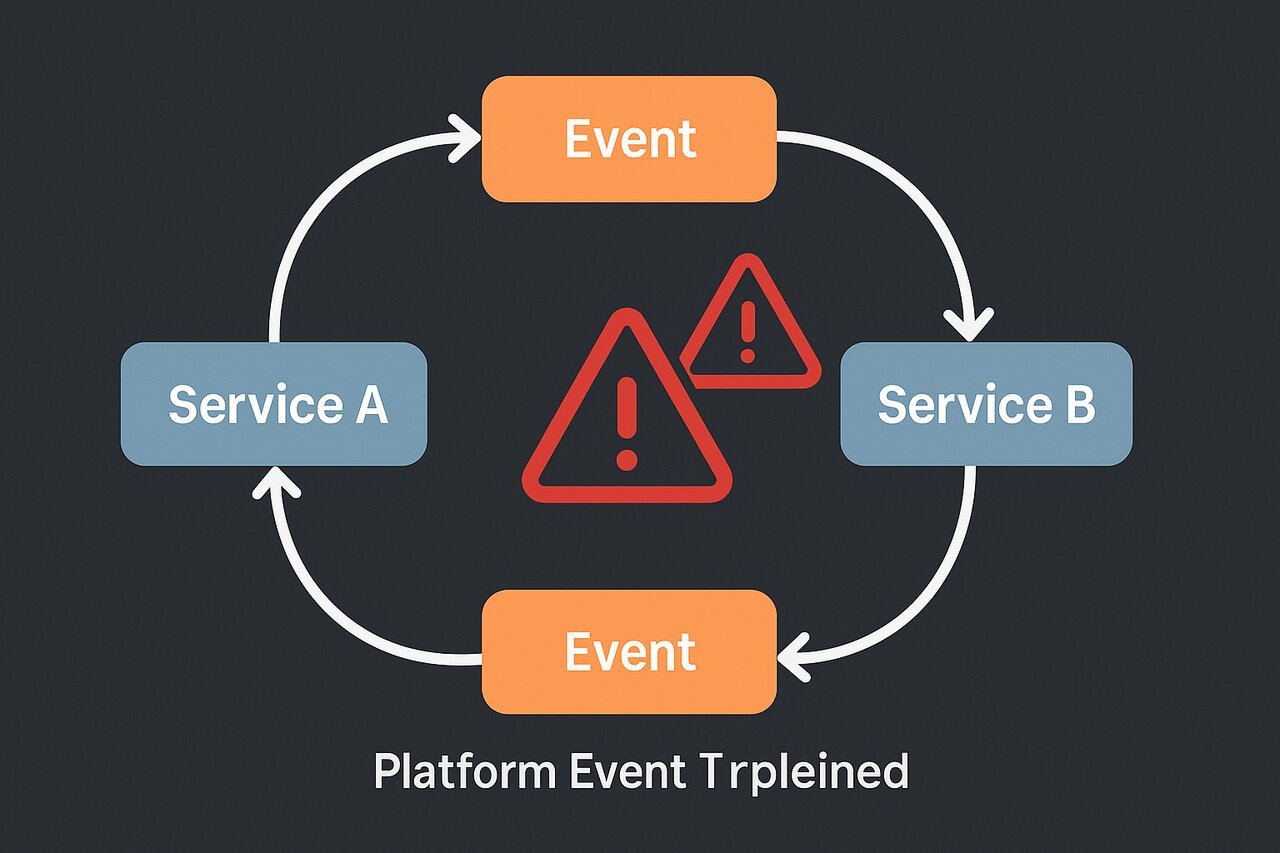
Platform event trap is a smart security idea that helps protect your CI/CD pipeline at the right time. It works by watching important actions like code commits, pull requests, and configuration changes. When something unsafe happens, the platform event trap reacts instantly and stops the problem before it grows. This helps teams avoid mistakes that can break builds or cause security issues.
Platform event trap is becoming a must-have for modern CI/CD security. When every commit can trigger builds, scans, and deployments, even a small mistake like a leaked secret or an outdated dependency can break pipeline integrity. Instead of relying only on manual reviews, platform event traps apply security automation directly at the event level: a merge request, a new dependency, or a config change. This means unsafe code gets stopped before it moves forward. In this guide, we’ll show how platform event trap works in CI/CD pipelines, why it matters for pipeline integrity, and how security automation with tools like Xygeni enforces policies without slowing developers down.
What Is a Platform Event Trap and Why It Matters Today
A platform event trap is a smart safety system used in modern development work. It watches important actions like code pushes, merge requests, and file changes. When something unsafe happens, it reacts right away and stops the problem. This helps teams avoid small mistakes that can turn into big security issues.
Many development teams work very fast today. Code is shared and updated many times a day. Because of this speed, human reviews can miss errors. A platform event trap helps by checking things automatically at the exact moment they happen. This makes security part of daily work, not a last step.
Another important reason it matters is trust. When developers know there is a safety check in place, they feel more confident. They can focus on writing good code while the system watches for risks. This balance keeps both speed and safety strong.
How Platform Event Trap Works Inside CI/CD Pipelines
A platform event trap works by listening to events inside a CI/CD pipeline. These events include new commits, new dependencies, or changes in build files. When an event breaks a rule, the system reacts immediately. It can block a merge or stop a build before damage happens.
Each rule is based on real risks developers face every day. For example, a leaked password or unsafe command is easy to miss. The trap checks these things early, before the code moves forward. This early action saves time and avoids future clean-up work.
Over time, this process builds stronger pipelines. Problems are fixed early, not after release. Teams learn safer habits because they see feedback right away. This makes the whole development flow cleaner and more reliable.
Why Platform Event Trap Is Better Than Manual Reviews
Manual reviews are helpful, but they are not perfect. People get tired, rushed, or distracted. A platform event trap does not get tired. It checks every event the same way, every time, without missing steps.
Another benefit is speed. Manual checks slow down the process when teams grow bigger. Automated checks run in seconds and give instant answers. Developers do not need to wait long to know if something is wrong.
Also, this approach creates fairness. Every developer follows the same rules. No one skips steps by mistake. This builds a healthy culture where security is shared by everyone, not just reviewers.
Common Problems a Platform Event Trap Can Stop
Many problems start small but grow fast if not stopped early. One common issue is hardcoded secrets in code. These secrets can leak and cause serious damage. The trap stops this before the code moves ahead.
Another common problem is unsafe third-party libraries. Some packages contain known bugs or hidden risks. The system blocks these packages right when they are added. This protects the project from future attacks.
Bad scripts are also a danger. Commands that download and run unknown code are risky. The trap detects these patterns and stops the build. This keeps the pipeline clean and safe.
How Platform Event Trap Helps Developers Fix Issues Faster
Instead of only blocking work, a platform event trap can guide developers. It shows clear messages about what went wrong. This makes learning easier and less stressful.
### Helpful Fix Ideas for Developers
-
Suggest safer versions of libraries
-
Point out secure coding changes
-
Highlight clean alternatives to risky commands
These small tips help developers improve quickly. Over time, teams make fewer mistakes. Learning becomes part of daily coding, not a separate task.
Platform Event Trap and Long-Term Pipeline Integrity
Pipeline integrity means keeping the development process safe from start to end. A platform event trap plays a big role in this protection. It makes sure only trusted changes move forward.
### Ways It Protects Pipeline Integrity
-
Blocks unsafe code before merging
-
Prevents hidden changes in pipeline files
-
Keeps build steps clean and verified
With this system in place, teams avoid surprises later. Releases become smoother and safer. Developers stay productive while the pipeline stays strong and secure.
Conclusion:
A platform event trap helps keep your development work safe from the very start. It watches code changes, files, and updates as they happen. When something risky appears, it stops it right away. This saves time, avoids stress, and protects your project from big problems later.
Using this approach makes teams feel more confident every day. Developers can write code freely while safety checks work quietly in the background. Over time, fewer mistakes happen and learning becomes easier. With simple rules and fast feedback, a platform event trap supports clean, safe, and happy development work.